Optimal Seasons for Roof Installations
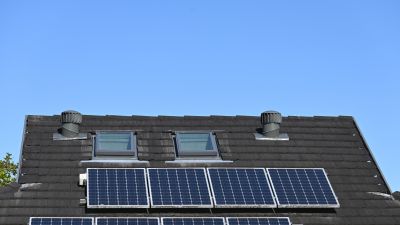
Spring offers moderate temperatures and longer daylight hours, making it suitable for roof projects.

Summer provides warm weather and stable conditions, ideal for completing roof installations efficiently.
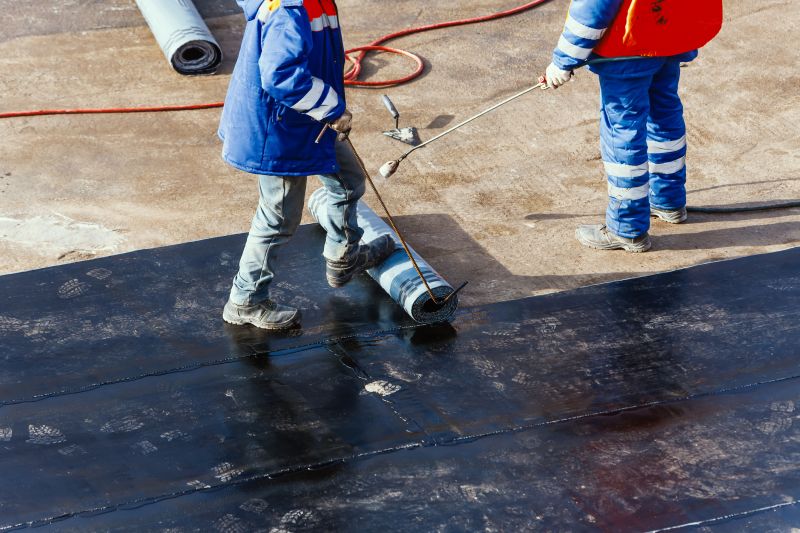
Fall's cooler temperatures and dry weather can be advantageous for roofing work before winter.
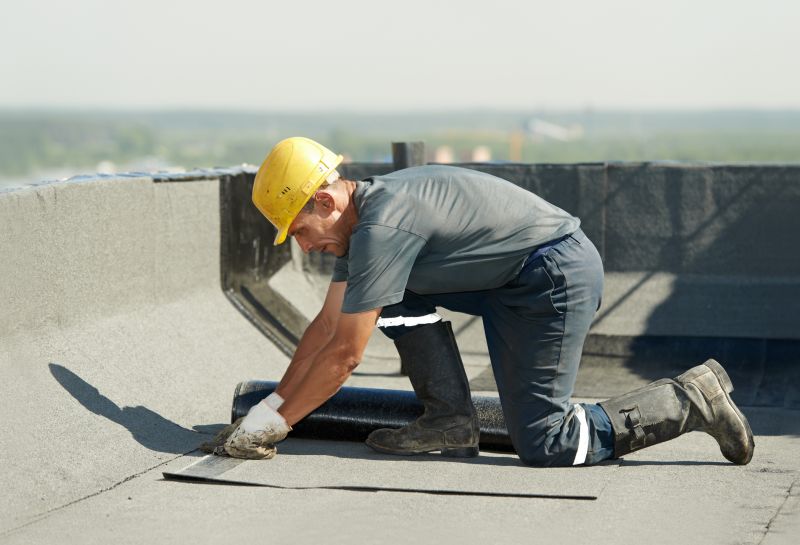
Ways to make Roof Installations work in tight or awkward layouts.
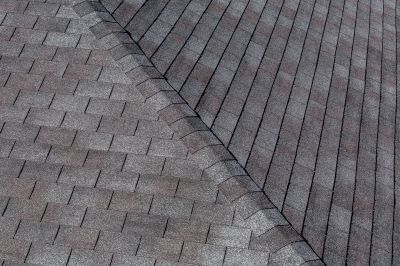
Popular materials for Roof Installations and why they hold up over time.
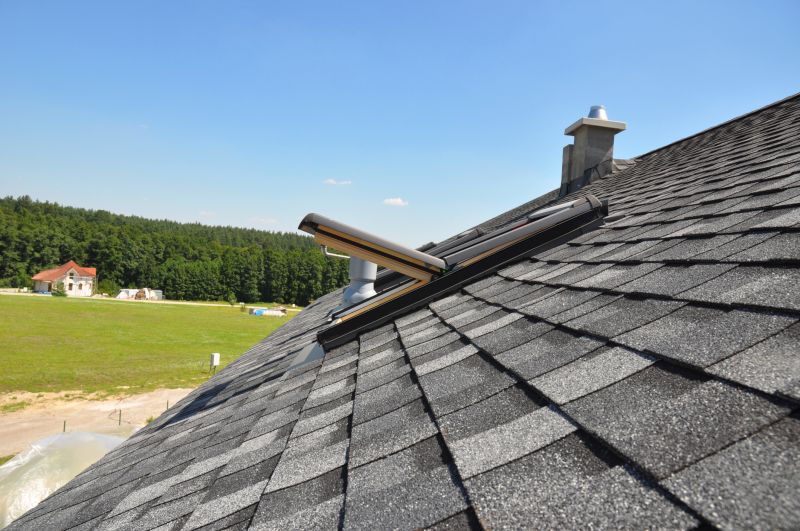
Simple add-ons that improve Roof Installations without blowing the budget.
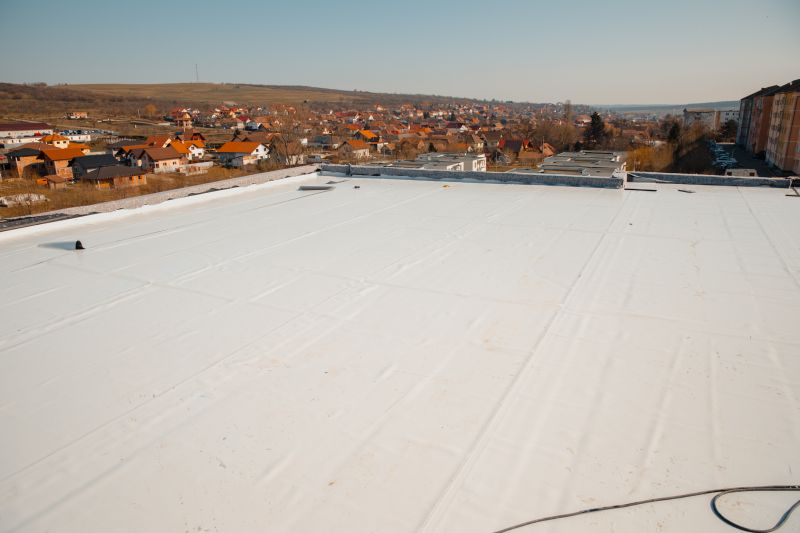
High-end options that actually feel worth it for Roof Installations.

Finishes and colors that play nicely with Roof Installations.
Statistics indicate that approximately 70% of roofing projects are completed during the warmer months, with spring and summer being the most popular. These seasons typically offer the best conditions for adhesion of roofing materials and safety for workers. However, fall can also be an effective time, provided weather forecasts predict dry and mild conditions, reducing the risk of weather-related disruptions.
Avoid roofing during heavy rain, snow, or extreme heat to prevent material damage and safety hazards.
Certain roofing materials perform best within specific temperature ranges, influencing installation timing.
Early planning can help align roofing projects with favorable weather windows, reducing delays.
Demand for roofing services varies seasonally, affecting project costs and availability.
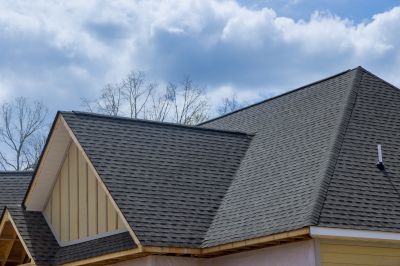
Optimal conditions for asphalt shingles and other materials.
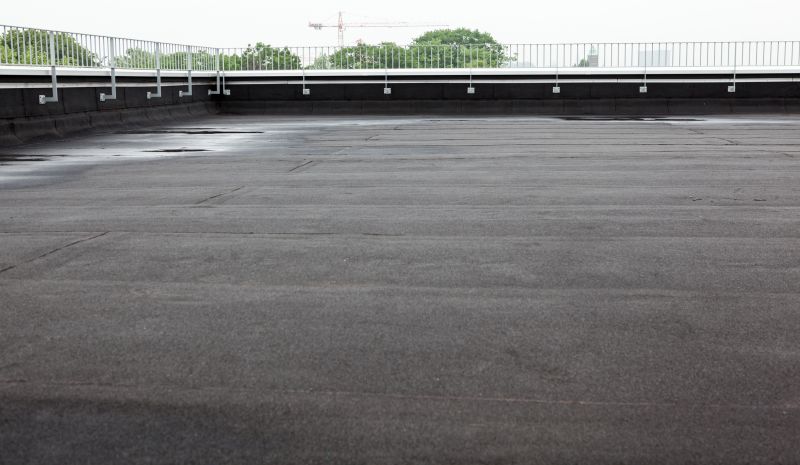
Ideal for new installations and repairs due to moderate weather.
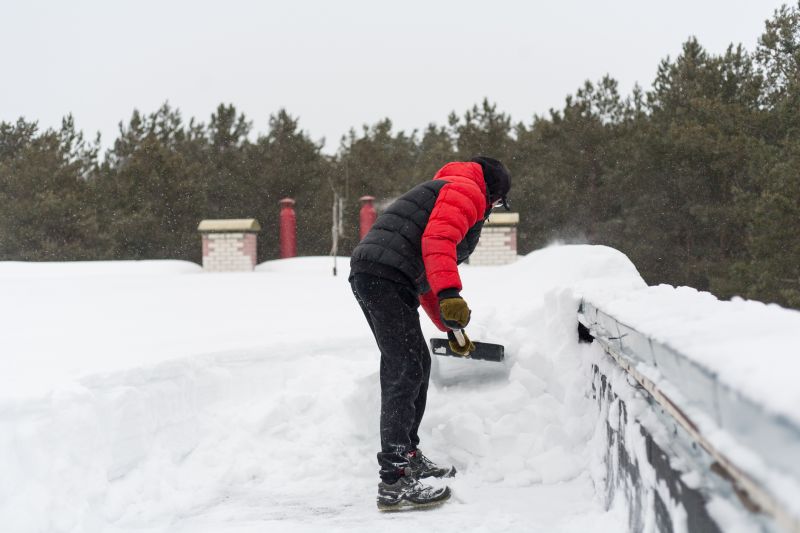
Allows for completion before winter weather sets in.
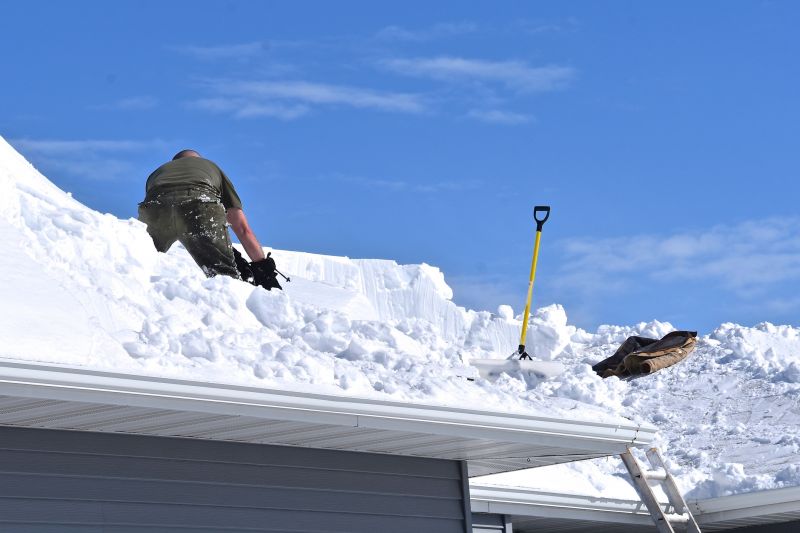
Limited options due to cold temperatures and potential snow.
Best conducted in dry, mild weather for accurate assessment.
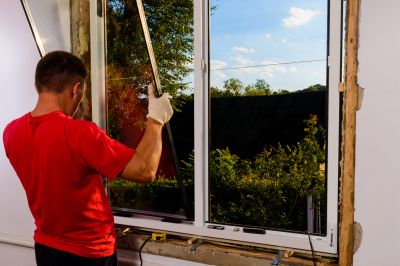
Avoid scheduling during high wind or storm periods.
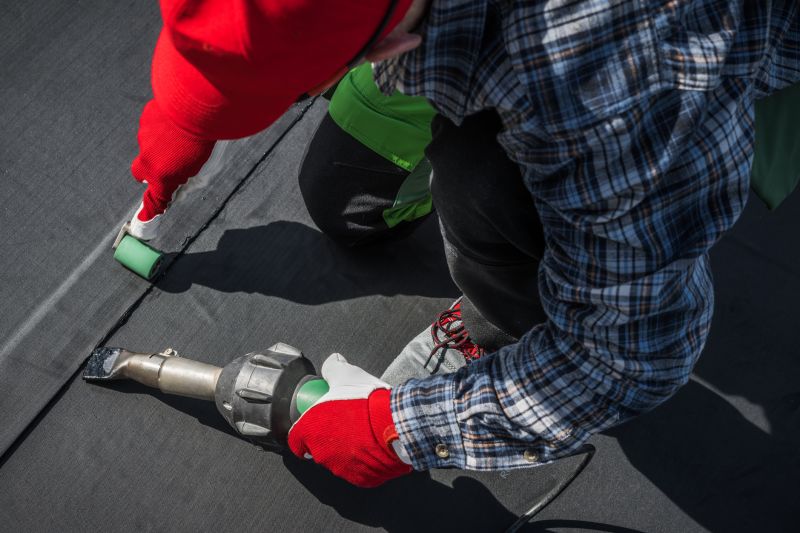
Extreme temperatures can impact material adhesion and curing.
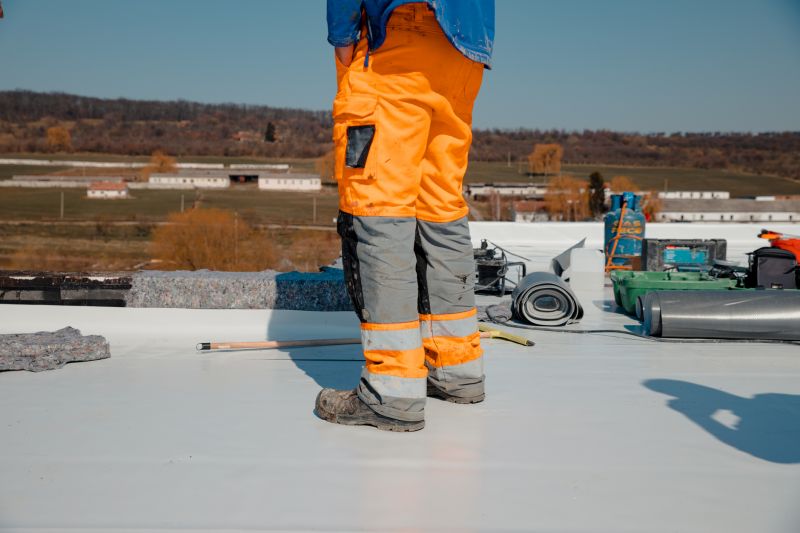
Peak seasons often see higher contractor availability.
| Season | Optimal Conditions |
|---|---|
| Spring | Moderate temperatures, longer days, low humidity |
| Summer | Warm weather, dry conditions, high productivity |
| Fall | Cooler temperatures, dry weather, pre-winter completion |
| Winter | Cold temperatures, snow risk, limited options |
Choosing the right time for roof installation involves evaluating weather patterns, material requirements, and project deadlines. Proper timing can enhance the longevity and performance of the roofing system, reducing the likelihood of future repairs. Consulting with roofing professionals can help determine the most suitable season based on specific project needs.
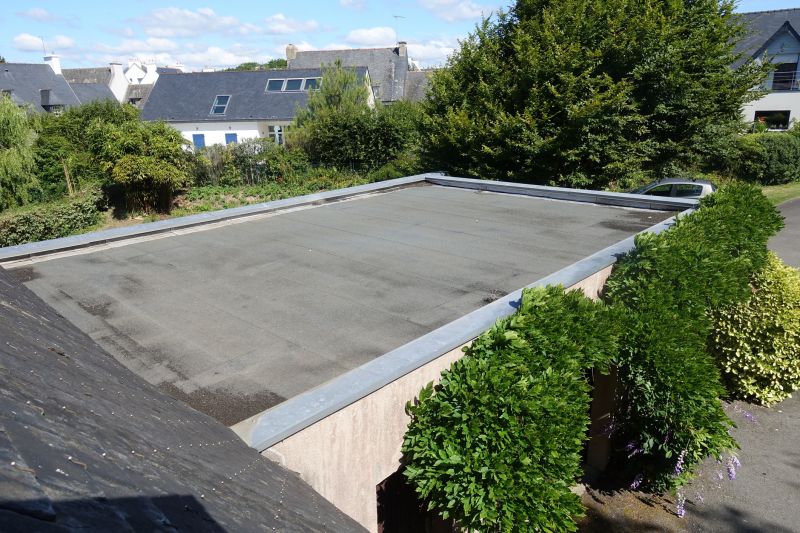
Ideal for moderate weather and new construction projects.
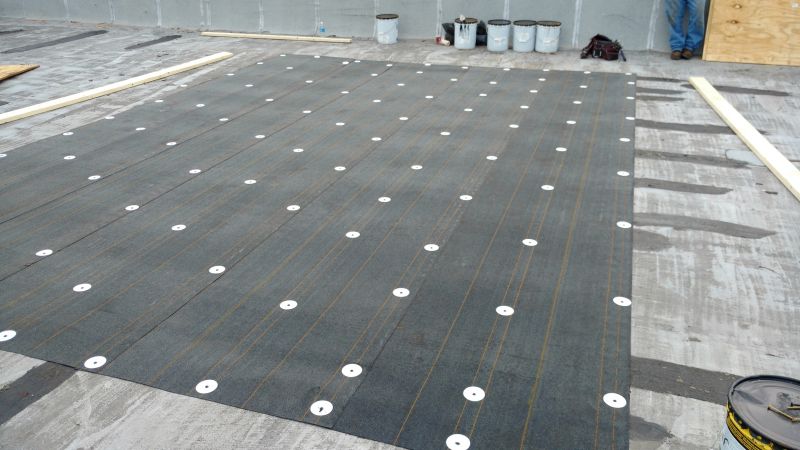
Best suited for quick completion and optimal material performance.
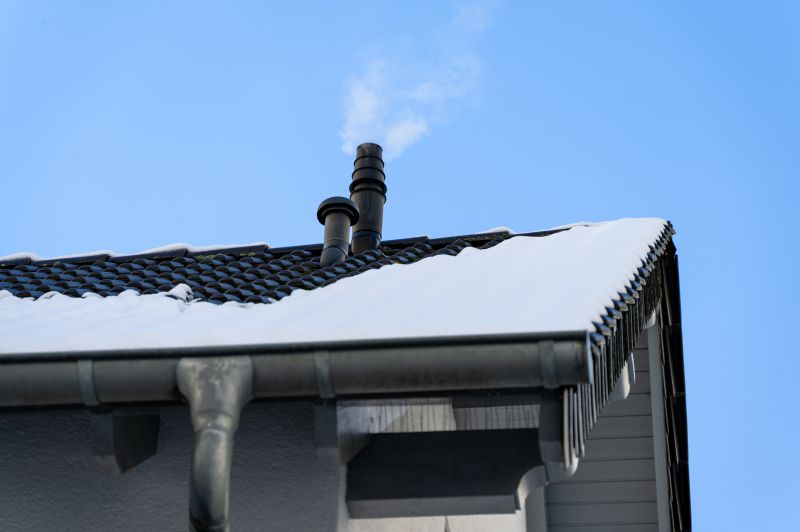
Prepares property for winter, avoiding snow delays.
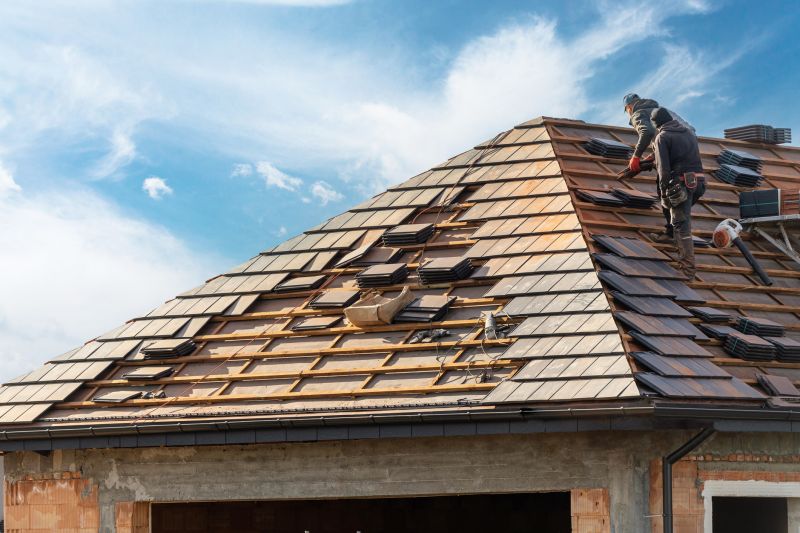
Limited to specific conditions and often requires specialized techniques.
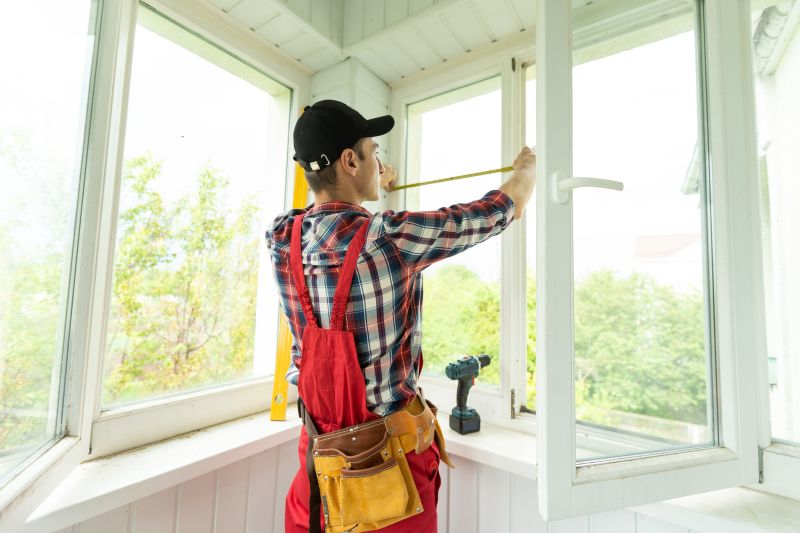
Little measurements that prevent headaches on Roof Installations day.
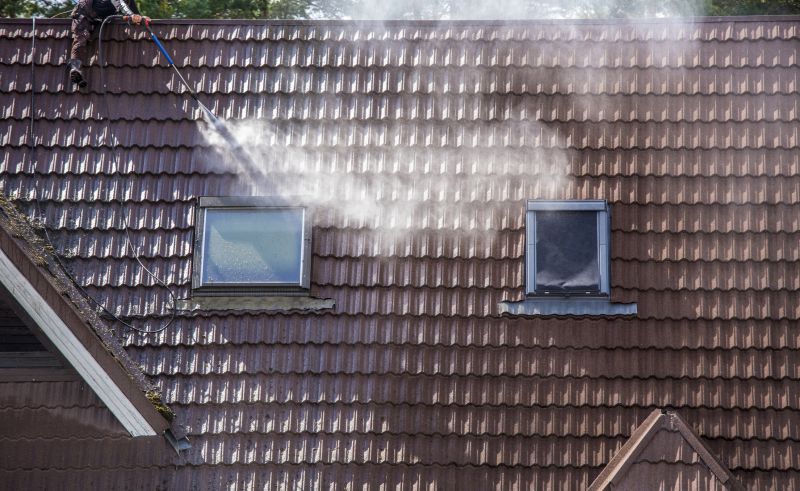
A 60-second routine that keeps Roof Installations looking new.
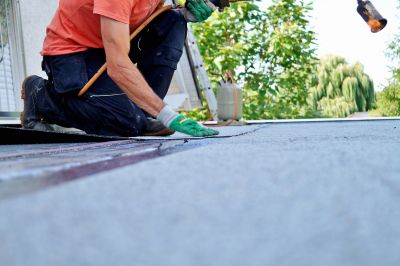
A frequent mistake in Roof Installations and how to dodge it.

Small tweaks to make Roof Installations safer and easier to use.
Interested parties are encouraged to contact for more information about scheduling roof installation projects during the most suitable seasons. Proper timing can contribute to a successful and durable roofing system that meets long-term needs.